

How did RTA Dubai generate Dh5.3bn through digital channels in a single year?
Smart mobility ecosystem expands with AI-powered user experience tools
DUBAI – Dubai’s Roads and Transport Authority (RTA) recorded a landmark Dh5.3 billion in revenue through its digital channels in 2025, marking a strong 20.6% increase compared to 2024.
The performance highlights the accelerated shift towards smart service delivery and reflects the growing reliance on integrated digital platforms across the emirate’s mobility ecosystem.
The authority also reported more than 628 million completed transactions via digital channels, representing a 13% rise year on year. With 105 digital services delivered across six channels, RTA continues to expand its customer-first model. Digital adoption reached 96%, while the customer happiness index stood at an average of 98%, underscoring both scale and satisfaction in service delivery.
Revenue surge
The Dh5.3 billion digital revenue milestone reflects the maturity of RTA’s digital transformation journey and its move towards a fully integrated service ecosystem. The 20.6% growth over 2024 signals increasing trust in digital-first mobility services across residents and visitors in Dubai.
Revenue growth has been supported by higher transaction volumes and broader service availability across platforms. Digital channels are now the dominant method for accessing RTA services, reinforcing the shift away from traditional service points towards automated and AI-driven systems.
سجّلت هيئة الطرق والمواصلات في دبي إيرادات بلغت 5 مليارات و300 مليون درهم عبر قنواتها الرقمية خلال عام 2025، محققة نمواً بنسبة 20.6% مقارنة بعام 2024، في تأكيد لتسارع تبنّي الخدمات الرقمية وتعزيز كفاءة منظومتها، وبلغ إجمالي عدد المعاملات المُنجزة عبر القنوات الرقمية أكثر من 628… pic.twitter.com/sefHFGNwOc
— RTA (@rta_dubai) May 31, 2026
RTA’s performance indicators further demonstrate operational strength. The authority achieved 94% on the Digital Maturity Index, reaching Level 5, the highest ranking among Dubai government entities in 2025 and placing it among the top four government organisations overall. This positions RTA as a leading example of public sector digital transformation in the region.
In addition, RTA recorded an 83% score in the Digital Customer Experience pillar, reflecting a 12% improvement compared to 2024. Accessibility performance also reached 100% in assessments for People of Determination, highlighting inclusive service design aligned with international best practices.
Digital scale
RTA’s digital ecosystem now spans 105 services delivered through six integrated channels, reflecting its expansion into a multi-platform mobility framework. The authority’s focus has remained on simplifying access, reducing processing time, and enhancing user satisfaction across every interaction point.
With digital adoption reaching 96%, nearly all customer interactions are now completed online. This reflects a structural shift in behaviour, where digital channels have become the primary gateway for transport-related services in Dubai.
The total volume of 628 million transactions demonstrates the scale of daily engagement across services such as licensing, parking, fare collection, and mobility planning. This 13% annual growth reinforces the increasing dependence on digital infrastructure as Dubai’s population and mobility demand continue to expand.
RTA’s leadership has attributed this progress to the evolution from service digitisation to a fully connected digital ecosystem powered by data analytics and artificial intelligence. This transformation supports Dubai’s wider ambition to lead globally in smart city innovation and mobility integration.
Smart apps
Mobile platforms remain a central pillar of RTA’s digital strategy, with significant growth recorded across both usage and engagement. In 2025, customer usage of smart app services exceeded 25%, representing a 40% increase compared to the previous year.
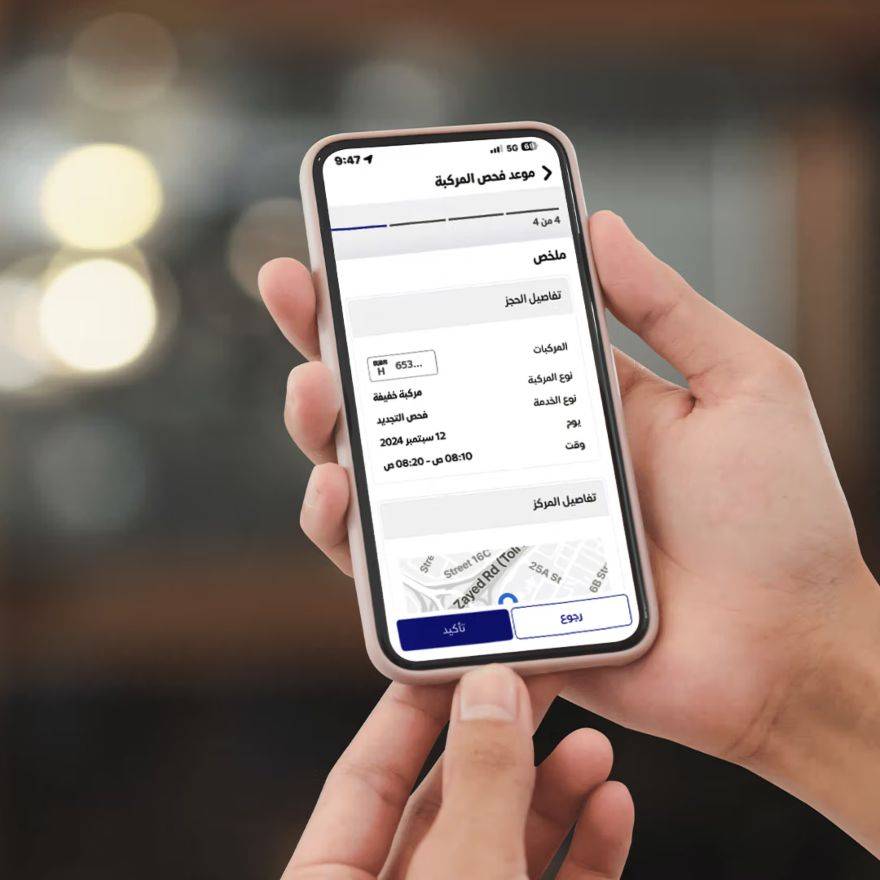
The RTA Dubai app alone introduced 18 new services, developed in response to customer needs and evolving government priorities. Active users of the app surpassed 1.2 million, reflecting strong adoption across residents and commuters.
Usage intensity also surged, with total app visits reaching 68 million, a 144% increase from 2024. Meanwhile, enquiries and journey-planning requests rose to 48 million, marking a 48% growth and highlighting the increasing reliance on mobile platforms for daily mobility decisions.
The S’hail app continued to strengthen its position as a unified mobility platform under the “Mobility in Dubai” channel. It introduced services linked to the automated fare collection system, including nol card functionalities, along with enhanced journey planning tools.
These developments contributed to a more seamless transport experience across multiple modes, supporting RTA’s objective of creating an integrated mobility environment. The app ecosystem also reinforced shared digital channels across government services, enabling greater interoperability.
Website growth
RTA’s website continues to serve as a core digital access point, offering 103 services with more than 11 million transactions completed in 2025. The platform recorded a customer happiness index of 96%, reflecting strong satisfaction levels.
To enhance user experience, RTA launched four new digital platforms on its website. These include dedicated platforms for the Road Safety Film Festival Competition, Delivery Service Excellence Award, Academic Scholarship Programme, and Dubai Award for Sustainable Transport.
The authority also introduced three new services: payment of advertising signboard fines, contesting violations, and the temporary passenger transport permit service known as “Naqel”. An AI-powered search feature was added to improve navigation and simplify access to services.
These enhancements have strengthened the website’s role as a comprehensive digital hub for mobility-related services, aligning with broader government objectives for digital integration and user-centric service design.
AI & channels
Artificial intelligence and automation have played a central role in enhancing RTA’s service delivery model. The virtual assistant “Mahboub” saw significant upgrades under Phase 3 of the Services 360 Plan, with 15 services added or improved, bringing the total interactive services to 32.
This development contributed to improved efficiency across digital channels, with revenue collected through digital platforms rising by 8.1 percent. The assistant has become a key component in streamlining customer interactions and supporting self-service adoption.
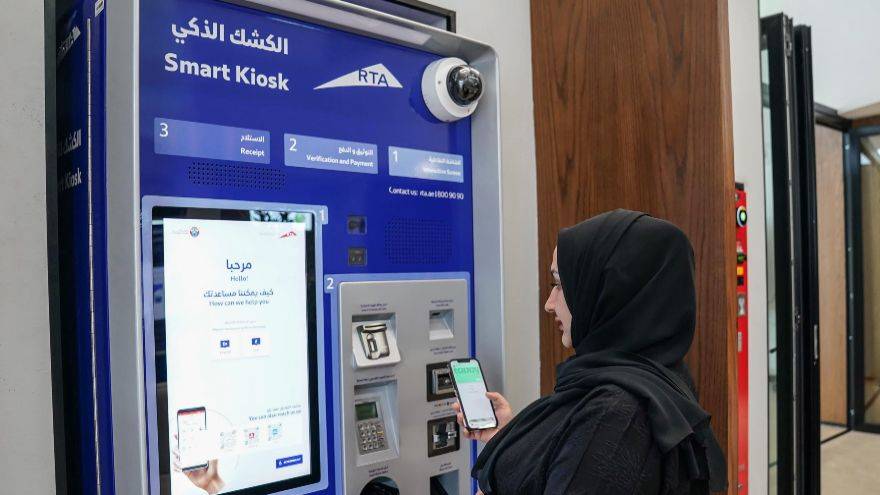
Alternative channels also recorded strong performance. Smart kiosks offering 24 services saw transactions increase by 17.3%, exceeding 1 million, while revenue surpassed Dh425 million, reflecting growth of more than 11% year on year. Four new interactive kiosks were added across Customer Happiness Centres.
The WhatsApp channel expanded its offering to 16 services, with parking-related transactions generating over Dh21.7 million in revenue. The launch of the “Madinati” service via the Mahboub chatbot introduced AI and computer vision capabilities, further enhancing proactive service delivery.
Integrated mobility
RTA continued strengthening integration across government digital platforms under the Services 360 Policy, launching and enhancing 48 out of 74 digital services. This approach has simplified user journeys and improved cross-platform connectivity.
The authority expanded its services across multiple shared platforms, adding 14 services to the S’hail app, enhancing 23 services on “Dubai Now”, and upgrading 21 services on “Invest in Dubai”. A further 10 services were made available through “Visit Dubai”, while integration with “Build in Dubai” strengthened intergovernmental connectivity.
These developments support the vision of a unified government model, where services are interconnected across platforms to improve accessibility and reduce duplication.
RTA’s excellence in digital innovation was also recognised globally. The RTA Dubai app won “Best Application of Tech – Public Sector”, while S’hail app secured “Best Mobile Tech of the Year” at the Global Business Tech Awards. The recognition places RTA among leading global smart cities including Singapore, London, Hong Kong, and Sydney.